Underwire digging in by noon, elastic leaving red marks, tags itching against your skin. None of that is ‘just how bras feel.’ Most comfort complaints trace back to one thing: the wrong size, not a lack of good comfort bras out there.
What to Actually Look For
- Wide, non-stretch band: A band that doesn’t stretch out under your bust does the actual supporting. That’s what lets the rest of the bra relax.
- Wire-free molded cups: Foam or lightly molded cups hold their shape without a rigid wire pressing into soft tissue.
- Soft, covered elastic: Fabric-covered elastic on the band and straps avoids the red-line marks that plain elastic leaves by evening.
- Smooth cup construction: No visible seams means nothing to rub or show through a t-shirt.
Get the Sizing Right First
A wire-free bra in the wrong size is still uncomfortable. A loose band forces the straps to dig in to compensate, and a tight cup creates bulging at the sides. Run the numbers on the Main Bra Calculator before assuming a specific style will fix it.
The Most Common Mistake
Assuming any bra labeled ‘comfort’ or ‘wire-free’ will automatically feel good, regardless of size. The label describes construction, not fit.
Fabric Matters More Than the Label
Cotton and modal blends breathe and move with your skin; fully synthetic fabrics trap heat and tend to irritate by afternoon, no matter how the bra is constructed. Check the fabric content before the marketing copy. “comfort” on a tag doesn’t guarantee cotton underneath.
When a “Comfort” Bra Is Actually the Problem
Loose, stretchy bras marketed as comfortable can quietly stop supporting you at all. The band goes slack, the straps take over the job the band should be doing, and you end up sore in a different way than an ill-fitting underwire. Comfortable and supportive aren’t opposites; a well-fitted wire-free bra should do both.
Fabric Choices That Actually Matter
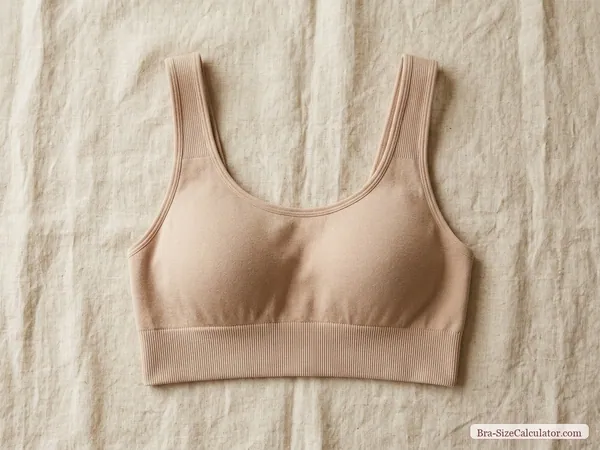
Modal and bamboo-blend fabrics tend to feel softer against skin than standard cotton-poly blends, and fabrics with a slight mechanical stretch (rather than elastic at the edges) move with the body rather than fighting it. No-show construction reduces friction points that can show up as irritation over a full day of wear.
Comfort Doesn’t Mean Loose
A genuinely comfortable bra still needs a correctly fitted band. A band that’s too loose creates its own discomfort (straps digging in to compensate) even though it might feel “comfortable” for the first few minutes. Real comfort comes from correct fit plus soft materials, not from sizing up to avoid tightness.
What Actually Makes a Bra Comfortable, Structurally
Comfort is more than about softness. It’s largely about pressure distribution.
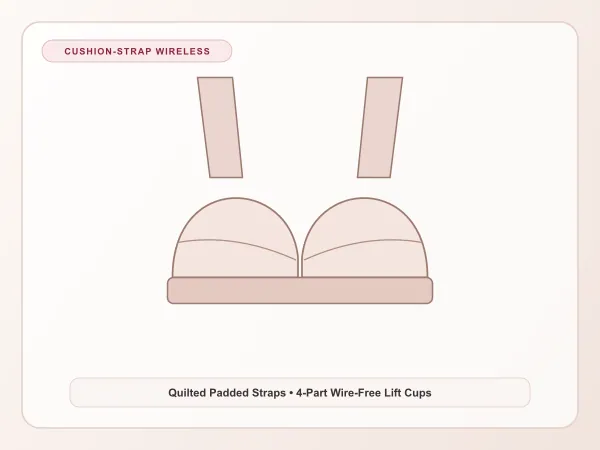
A wider band spreads support across more surface area, wide-set straps reduce shoulder pressure per square inch, and seam placement inside the cup determines whether fabric edges sit against sensitive skin or lie flat. Two bras that feel equally soft to the touch can feel completely different after a full day, purely because of these structural choices.