
This is an educational self-check, not a medical diagnosis. It references a commonly used fit framework (sometimes called the Regnault scale) that describes where the nipple sits relative to the crease under your breast. Useful for picking bra styles, not for any clinical decision.
Why Fitters Look at This At All
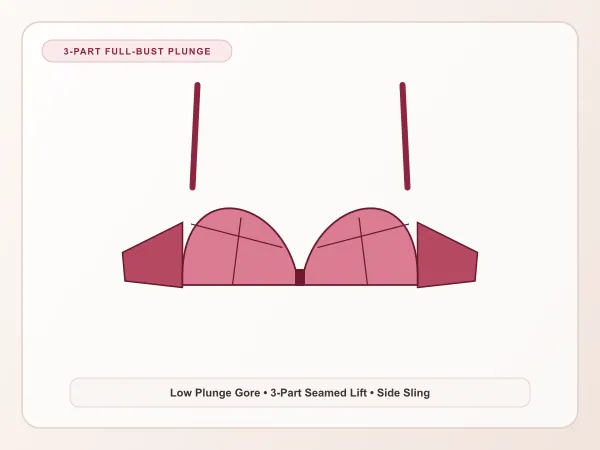
Two people can share the exact same band and cup size and still need completely different bra construction, because the position of the breast on the chest wall changes which styles actually support it well. That position (not your cup letter) is what this self-check describes.
What the Grades Mean, in Plain Terms
Grade 0 means everything sits above or at the crease. Most styles work fine.
Each grade after that describes progressively more tissue and nipple position below that crease line. None of the grades are a problem to fix. They’re simply different starting points for which construction (wider band, more structured cup, deeper coverage) will feel most supportive.
What Changes This Naturally
Age, weight changes, pregnancy, breastfeeding, and simple gravity over years all shift this position. It’s one of the most normal, expected changes a body goes through, not a sign anything is wrong.
If you have genuine medical concerns about breast changes, a doctor is the right resource. This tool exists purely to help you shop for a better-fitting bra.
What This Tool Is Not
This is an educational self-check based on a commonly referenced fit framework, not a medical or cosmetic-surgery diagnostic tool. If you’re considering a medical procedure or have concerns about sudden or unusual changes, that conversation belongs with a doctor. This tool exists purely to help you choose a better-fitting bra style, nothing more.