
What Tends to Change
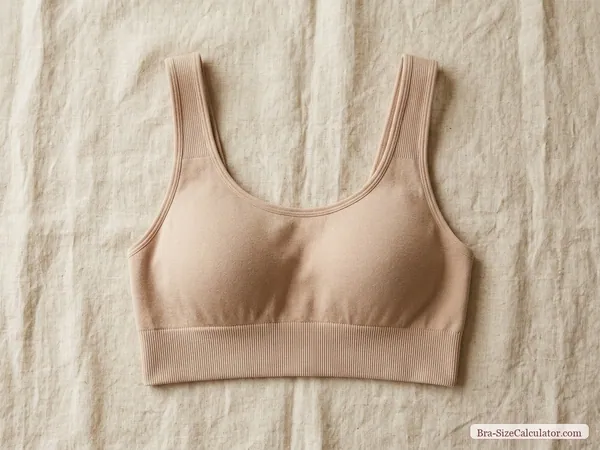
Skin elasticity and tissue distribution shift over time, which often means less cup fullness relative to band size than in earlier years. Comfort features (front closures, wider straps, softer bands) often matter more than they did before, alongside the correct number.
Getting the Measurement Right
The method is identical: underbust and bust, no padding. If shoulder mobility makes a back closure difficult, look for front-closure styles once you have your sizeOur comfort bra picks include several.
Comfort Without Compromise
An accurate size is still the foundation even when comfort features matter most. A well-fitting front-closure bra works far better than an ill-fitting one with the “right” features.
Bodies Keep Changing: At Every Age
Tissue density, ribcage shape, and skin elasticity continue shifting well past midlife. A size from ten or twenty years ago is rarely still accurate, and that’s not a decline to feel any way about. It’s just biology continuing to do what it always does.
Comfort Priorities Often Shift
Softer fabrics, lighter structure, and front-closure designs become more practical for many people over time, not because of any rule, but because ease of putting on and taking off matters more day to day. There’s no less “proper” way to prioritize comfort.
Re-Measuring Matters More Here, Not Less
Because change tends to be more continuous at this stage than in early adulthood, re-measuring every 6-12 months (or after any noticeable body change) keeps results accurate instead of relying on a size that may be years out of date.
Mobility Considerations
Front-closure bras, wider straps, and stretch-fabric options can make daily dressing easier without sacrificing support. These are legitimate, common preferences worth building into the shopping list, not compromises.