
Hormonal changes during perimenopause and menopause commonly shift both breast tissue composition and overall body shape, which means the bra size you’ve worn for decades may no longer be the size that actually fits.
Why Size Often Changes During This Stage
Declining estrogen levels are commonly associated with a shift in breast tissue from denser, glandular composition toward softer, fattier tissue, along with changes in skin elasticity and overall body shape. The practical result for a lot of people: the same cup letter as before can sit differently, and the band that used to be correct can start riding up or digging in.
What to Re-Measure and Why
Both underbust and bust are worth re-checking, since either (or both) can shift during this stage independent of overall weight change. Enter your current numbers below rather than assuming your bra size from ten or twenty years ago is still accurate.
Construction Features Worth Prioritizing Now
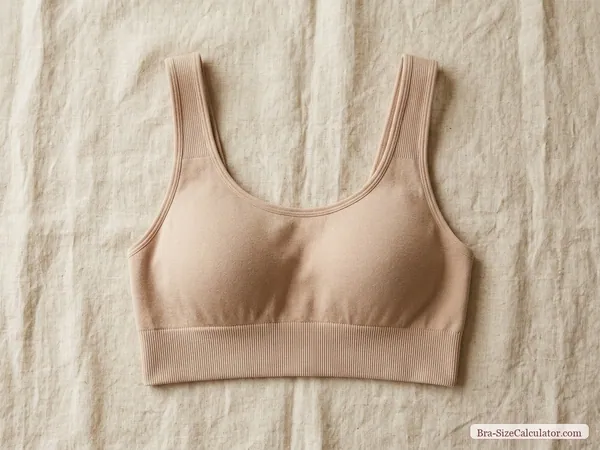
Wider bands and straps distribute weight more comfortably as tissue support changes, and softer or wire-free cup construction can feel notably better against skin that has become more sensitive. These aren’t “compromises” they’re simply the features that tend to matter more at this life stage.
How This Differs From the Senior Calculator
This tool and the Senior Bra Calculator sometimes get confused, but they’re addressing different things. This one focuses specifically on the hormonal and tissue-composition shifts of perimenopause and menopause, which can start well before what most people consider “senior” age, sometimes in the late 30s or 40s. The senior calculator focuses more broadly on comfort priorities that tend to matter more later in life, regardless of hormonal stage.